• RSS
  • Delicious
  • Facebook
  • Twitter

About Me

AMIKOM NEWS

ChatBox

Followers

Popular Posts

Thumbnail Recent Post

STMIK AMIKOM

Clustrmap

Category List

Righteous Kill

Lorem ipsum dolor sit amet, consectetuer adipiscing elit. Quisque sed felis. Aliquam sit amet felis. Mauris semper, velit semper laoreet dictum, quam diam dictum urna, nec placerat elit nisl in ...

Quisque sed felis

Lorem ipsum dolor sit amet, consectetuer adipiscing elit. Quisque sed felis. Aliquam sit amet felis. Mauris semper, velit semper laoreet dictum, quam diam dictum urna, nec placerat elit nisl in ...

Etiam augue pede, molestie eget.

Lorem ipsum dolor sit amet, consectetuer adipiscing elit. Quisque sed felis. Aliquam sit amet felis. Mauris semper, velit semper laoreet dictum, quam diam dictum urna, nec placerat elit nisl in ...

Hellgate is back

Lorem ipsum dolor sit amet, consectetuer adipiscing elit. Quisque sed felis. Aliquam sit amet felis. Mauris semper, velit semper laoreet dictum, quam diam dictum urna, nec placerat elit ...

Post with links

This is the web2feel wordpress theme demo site. You have come here from our home page. Explore the Theme preview and inorder to RETURN to the web2feel home page CLICK ...

Honda Vario Techno dengan Kelebihan Rem Kombinasi

Skutik Vario Techno merupakan andalan terbaru Honda untuk memperkuat line-up Honda bersaing dengan kompetitor utamanya, yaitu Yamaha, yang mengandalkan Mio. Di segmen ini, Mio telah menjadi generik untuk skuter otomatik di Indonesia.
“Kami akui itu. Konsumen kalau mencari skutik Honda menyebutnya, Mio Honda,” cerita Sigit Kumala, Senior General Manager Pemasaran dan Pengembangan Produk dari Astra Honda Motor (AHM) setelah event peluncuran Varia Techno plus dua skutik Honda lain dengan penampilan yang disegarkan, yaitu Vario Absolut Matic dan Beat.
Harga. Penampilan Vario Techno cukup menarik dan lebih dinamis dibandingkan dengan saudara dekatnya, Vario Absolut Matic. Namun, yang masih dikeluhkan wartawan saat peluncuran adalah harganya yang terlampau mahal, Rp 15.500.000.
Sampai muncul pertanyaan, “Kalau begini tak mungkin Honda mengalahkan Yamaha di segmen skutik.”
Kendati demikian, AHM punya alasan sendiri. “Harga tersebut karena adanya tambahan teknologi terbaru pada Vario ini, yaitu combi brake,” ujar Julius Aslan, Direktur Pemasaran AHM, dan kemudian diperkuat oleh Presdirnya, Miki Yamamoto.
Selain penampilan, Vario Techno mengandalkan combi brake, yaitu teknologi yang memudahkan pengendara mengoperasikan rem dengan kinerja yang lebih baik. Hanya dengan menarik tuas rem belakang (kiri) lebih dalam, maka kedua rem pada roda, depan dan belakang, akan beroperasi secara bersamaan. Kendati demikian, skutik ini tetap dilengkapi dengan rem depan yang dioperasikan oleh tuas berada di sisi kanan. Kedua rem bisa diaktifkan secara bersamaan.
Nah, pada skutik Honda lainnya, baik Vario lama yang sekarang menjadi Vario Absolut Matic dan Beat, combi brake tidak ada. Perbedaan harga antara Vario Absolut Matic dengan Techno mencapai Rp 650.000.
Penampilan. Untuk mesin, tidak ada perubahan atau perbedaannya dengan Vario Absolut. Bahkan dimensi pun tidak berbeda jauh (lihat tabel spesifikasi). Namun, yang pasti, dari depan, perubahan yang cukup mencolok adalah tameng atau tudung depan plus lampu besar, penempatan lampu sein dan tameng samping depan.
Seperti sebelumnya, Vario Techno juga menggunakan dua lampu depan. Namun, modelnya berbeda. Lampu Techno lebih sipit. Honda menyebutnya dengan “dual keen-eyes headlight”. Lampu sein berada di atas lampu besar. Di atas lampu besar dibentuk tameng dengan bentuk mirip dengan paruh buruh. Desain tameng samping depan juga berbeda.
Belakang. Lampu belakang menyatu dengan bodi, desain tajam seperti ekor itik untuk memberi kesan sporty. Lampu menggunakan tutup transparan sehingga bola lampu di dalamnya kelihatan.
Panel instrumen atau indikator baru dan dilengkapi dengan indikator lampu sein buat kanan dan kiri. Ukuran lebih besar dan di depan tengah diberi pelindung.
Juga ada tambahan pengaman pada kunci kontak, yaitu magnet otomatik yang disebut juga “auto secure key shutter”. Tutupnya dilengkapi dengan penerangan dari fosfor agar mudah melihatnya di kegelapan.

2012 Ducati 848 StreetFighter


With the global launch of the 1199 superbike EICMA Panigale in Milan for a month, Ducati filled the middle with an international press presentation of the 2012 Streetfighter 848. The combined street and track in and around Modena, Italy, exposed the naked artist Twists trackday last Sunday morning and duties.

Almost identical in appearance to the great Streetfighter 1098, the new 848 is designed to give pilots a more affordable and less extreme for modeling the S superbike engine, which is the only other Streetfighter Streetfighter available for the 2012 standard is interrupted.

The most obvious difference between the 2012 Streetfighter displacement engine models. So Ducati Streetfighter S 1099cc L-Twin cylinder uses a product called 155 hp and 89 lb-ft of torque at 9500 rpm, the new fighter powered by a 848cc twin-generation 132-hp and a claimed 69 lb-ft of torque 10 000 rpm and 9500, respectively. Produces its maximum power 500 rpm higher in the rev range and with a compression ratio of 13.2:1 for, compared to S '12 .5:1, the new SF is a bit more strongly excited than the model more large displacement.

The figures derived Ducati crankshaft power decreases when running on a test the rear wheels. Factory Superbike 848 valued at 140 hp, eight of the new Streetfighter as a result of valve lift and a little less time and produces 119 horsepower on the dynamometer Mickey Cohen Motorsports SuperFlow our sport shooting the medium. Therefore, we expect the SF 848 for generating a little over 110 horsepower to the rear wheel.
This amount of energy is a lot of fun and exciting on a bike weighs about 410 pounds full of fluids. In the street there is enough punch to any situation, if wheelieing or passes while on the trail of the hunt 848 makes it easier for better bikes with smaller riders.

Set retail $ 13,000, the streetfighter 848 is significantly cheaper than the $ 19,000 S streetfighter, but only $ 2,000 less than the soon to be non-existent $ 15,000 streetfighter standard (Hurry and get yours now considering Standard 2011 1098 streetfighter better value). The 848 does not take the Ducati Traction Control, which is a welcome technology to be included in such a low MSRP.

The biggest Streetfighter S model, besides the rise of larger engine, has a fork Ohlins, while the front legs 848 are of the variety Marzocchi. The two components of the suspension are fully adjustable 43 mm and measure the diameter. The front is 848, however, is stronger than the S, with 24.5 degrees inclination 25.6 degrees compared to the model S. The 848 also has less resistance than S, 103mm vs 114mm, respectively, but the wheelbase of both bikes is identical to that of 58.1 inches.

Whether on the road or track Streetfighter takes a little time to bike at home and / or known. The front end of the 848-1099cc version and the original may feel a little nervous, especially when leaned over in a corner, and a braking track does not come naturally when you are driving on Street Fighter. With the 848, which spans the same distance between the points of contact patches as S but with a rake and less steep trails Ducati suggests that perhaps the search for a better configuration of light - which, if would reach a long way in making the bike more attractive - but neither the extent not lend themselves to confidence has improved.

Normally less rake and more tracks would help calm a nervous front end, so unconventional approach Ducati rake over and use less drag is quiet interesting. Without a street fighter to go up to 1098 for comparison at the event, it is unclear whether the change in measurement from the front is better or worse, the issue still exists, although it is certainly not resolved.

It was not until the second session on the track I was comfortably faster, pushing the Streetfighter is on the verge of its performance envelope. The nervousness in front and high handlebars give a light touch - the ham and greed leads to a question from the front wheel.

Other significant differences in the SF 848 include a wet and dry clutch and new wheels 10 instead of the five branches on the handlebars S. aluminum cone on the 848 is higher than the 20mm model S. The seat height S high, 33 inches, carries more than 848 new to the, making footrest gently.

Most of these changes include making the new 848 the best companion for the Streetfighter a runner who is more concerned about the competence of the Streetfighter streetbike as useful and less in the improving performance of the model S.

Higher than the handlebars, for example, to relieve some pressure on the wrists of the pilot allow more time in the saddle. Since Ducati did not go so far as to change the seating position, myself, this additional leverage is often used to keep a safe distance from the fuel tank and the horse. The combination of very narrow tank / seat junction and the seat can be tilted down a rough road driving testicle, painful experience.

Flat, closed, of course, race course, as the brand new Autodromo di Modena (848 Street Fighter press intro of the song was the first official act), a narrow seat / tank allows for a rapid phase, semi-to-side switching.

Complaints have been the origin of Street Fighter right ankle a cyclist was forced uncomfortable away from the bike due to an edge of exhaust heat. Ducati addressed this on 2012 848 SF by adding a 10mm spacer on the right footrest. Yes, the ankle does not feel in a strange angle, but the change has won a degree of angle on a bike that hit the runners toe sliders for asphalt, along with placing a knee on the ground.

Faced with two beds, radially mounted Brembo brakes and 320 mm provide good stopping power, and will not fade during our two-track sessions, but you feel adjustable lever is a bit 'vague.

In the back of the bike to a fully adjustable Sachs shock attaches to a cast aluminum single-sided. 5.5 inches of the rim has a new 180/60 ZR17 Pirelli Diablo Corsa tires. The new tire size allows a larger contact area on the radio, and Pirelli said to improve the buffering capacity to deliver improved ride comfort. With a compound of the Superbike World on the right and left, pulling the tires never been in question.

 
848 Fighter Street Fighter is available in yellow, red Ducati and Dark Stealth, but every color wheel remains stunner. Aggressive sex appeal of this bike is undeniable, and if you can manage some quirks, 848 Street Fighter should provide a wonderful companion.

Except for an unfortunate tank / seat time, seat position offers plenty of legroom and a respectable distance from the seat footrests. Handlebar top will help keep the weight off the rider on his back and stood up passengers at a distance running boards to ease the discomfort in the right foot of the pilot.
 
Self does not want to spend most of the afternoon, Street Fighter, but the rider looking for weekend Carver competent and randomly monitor the daily tool of Street Fighter is all that attractive unit.

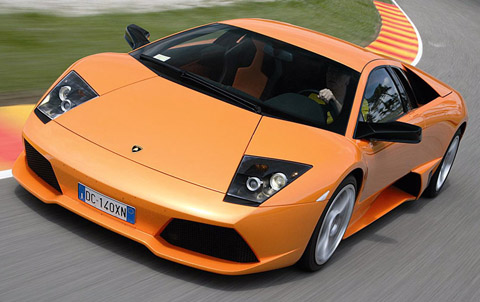
Lamborghini Murcielago LP640


The buyer of a super car like Murcielago can enjoy the Lamborghini V12 engine, a six-speed manual or if he desires, a six-speed sequential automatic transmission.
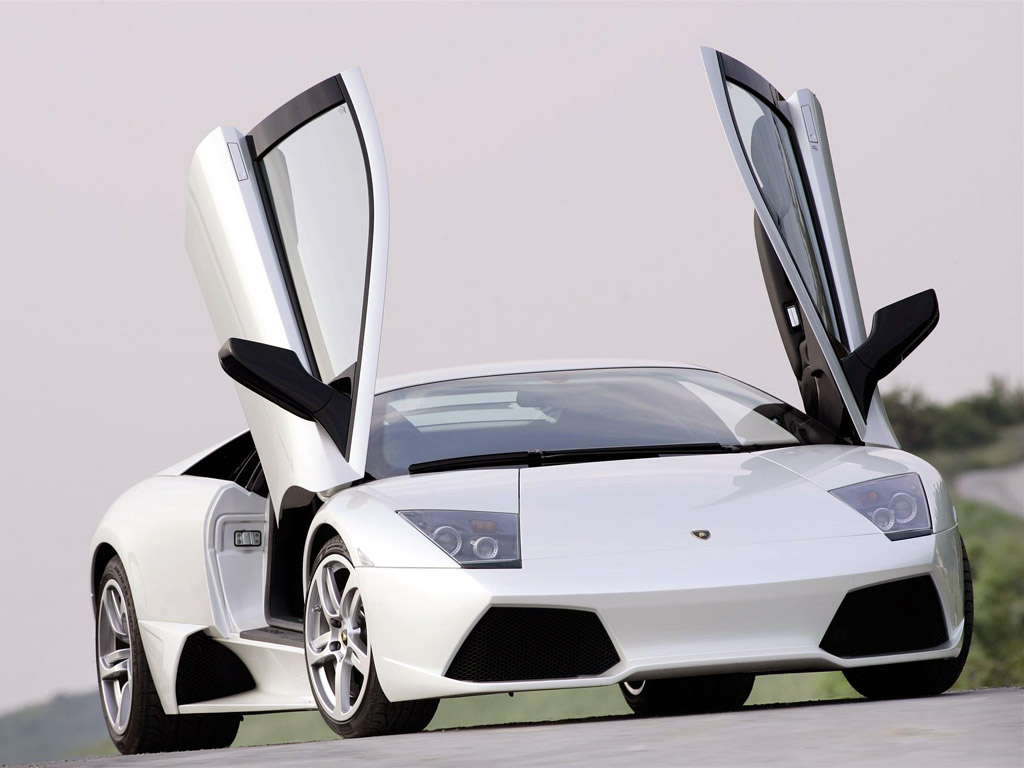
The aerodynamics of this car is improved not only by the rear spoiler that can be raised to an angle of 70 degrees, but also by the side mirrors that fold in when needed.
White Lamborghini Murcielago LP640 doors open
The LP640 model of Murcielago had a starting price of $350 000, higher than the original that could be found at a price tag of $273,000. But the differences between them are not just in the price, because the Murcielago LP640 can reach 60 mph in just 3.3 s, which is .5 sec faster that the original, telling us that the LP640 has a bigger power: 471 kW (640 bhp) at 8000 rpm compared with 433 kW (580 bhp) at 7500 rpm of the first Murcielago.
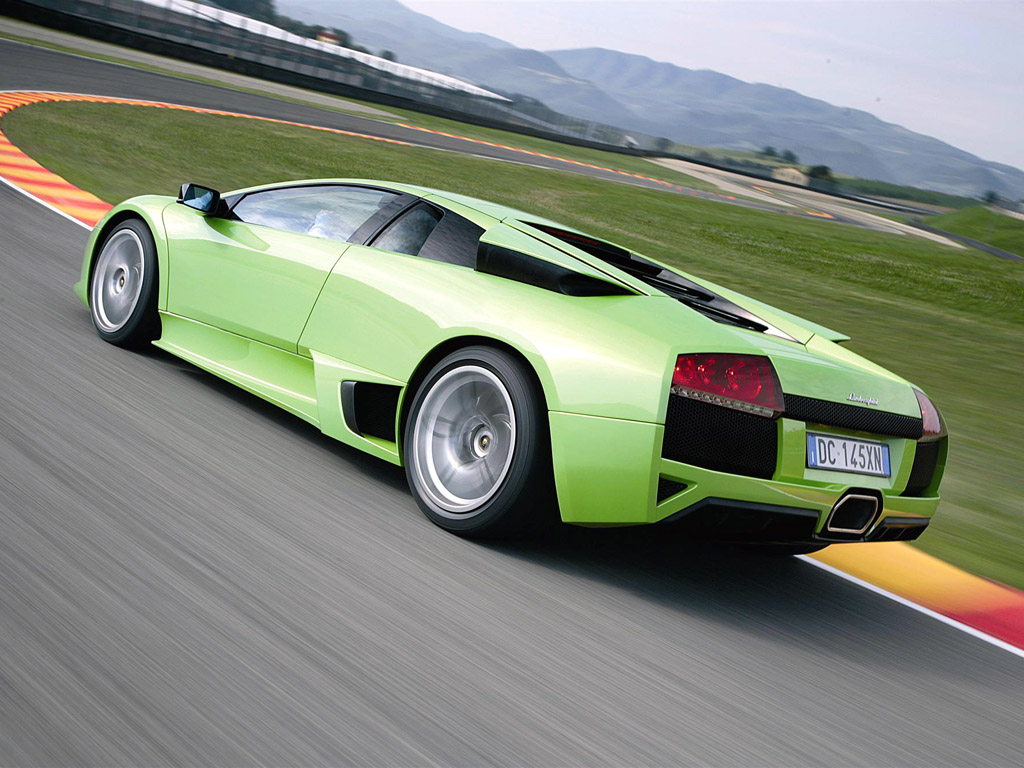
Green Lamborghini Murcielago LP640 back view
The Murcielago is a powerful super car that got its deserving name from the bull that survived 24 sword strokes in an 1879 fight at the arena of Cordoba and his life was spared by the matador giving him a rare honor.
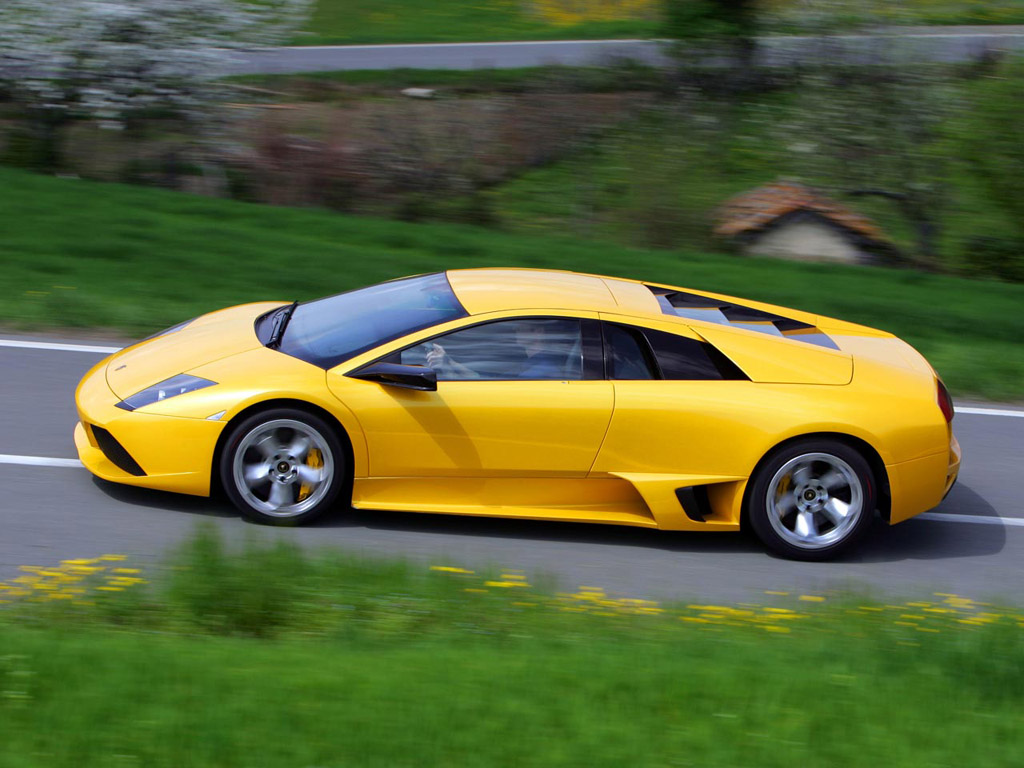
Yellow Lamborghini Murcielago LP640 side view
Specifications
Vehicle Type: - 2-door coupe, production car
Price: - $333,000
Configuration: - Mid Engine / AWD
Engine: - V12
Capacity: - 6496 cc
Torque: - 487 lb-ft at 6000 rpm
Horsepower: - 640 bhp at 8000 rpm
Transmission: - 6-Speed Manual
Length: - 181.5 inches
Width: - 81.0 inches
Height: - 44.7 inches
Weight: - 3671 lbs
0-60 mph: - 3.3 sec
Top speed: - 211 mph

2011 Minerva Sachs Megelli 250RV

Tahun ini pasar motorpsort berkapasitas 250 cc makin menggeliat. Hadirnya Kawasaki Ninja 250R yang diikuti Minerva Sachs Megelli 250 dan Honda CBR250 mengindikasikan hal itu. Ketiganya menawarkan performa yang menggiurkan. Karena memang soul ketiganya mengisyaratkan pacuan kencang.

Ninja 250R sudah membuktikan keperkasaannya lewat ajang balap di sirkuit Sentul, Jabar. Banyak rider ambil bagian dalam event yang sudah digelar selama 2 tahun tersebut. Penjualan motor bermesin 4 langkah 2 silinder segaris pun langsung laris manis.

Dan sepertinya PT Minerva Motor Indonesia (MMI) tak mau ketinggalan turut menggelar OMR buat produk 250 cc 4-Tak andalannya itu dalam seri pembuka IndoPrix 2011 di sirkuit Sentul, Minggu (27/2) kemarin. Temanya Minerva Sachs Racing Championship 2011 seri ke-1.

Kata Apong Afriansyah, GM Sales Marketing MMI, event tersebut sebagai ajang untuk membuktikan ketangguhan Megelli 250. Tahun ini digelar sebanyak 3 seri. Kontan saja event tersebut enggan disia-siakan oleh pemilik motor yang sangat kental aura sportnya ini.

Buktinya langsung dibanjiri 18 starter. Tak hanya dari kalangan privater atau konsumen Megelli 250 saja lo. Tim-tim road race papan atas juga ambil bagian. Salah satunya AHRS di Depok, Jabar lewat tim satelitnya Farhan Hendro Motorpsort (FHM).

Memang untuk seri perdana ini, regulasinya masih standaran. Jadi, tidak ada oprekan yang spesial pada motor. "Semua standar. Cuma boleh modif silencer saja dan setting karburator. Itu pun silencer standar hanya dibobok saringannya," bilang Cepi, mekanik AHRS yang ditugaskan menangani pacuan Megelli 250 tim FHM.

Meski begitu, mampu membuat Megelli 250 mencapai best time 2 menit kecil. Seperti yang dicapai pada Megelli 250 pacuan Bram Prasettya, racer FHM bernomor start 85 ini. "Kalau regulasinya agak diperlonggar dikit, motor ini bisa lebih ngacir lagi," yakinnya.

Sebab sebelumnya Cepi coba meriset knalpot dengan arah pembuangan ke samping. Power motor terasa lebih keluar. "Sayang, regulasinya mengharuskan konstruksi saluran gas buang harus seperti standar bawaan motor (posisi muffler di bawah jok). Coba kalau bebas," tukas Cepi.

Sementara soal kaki-kaki dan suspensi, peranti bawaan Megelli dianggap sudah cukup mumpuni. Cuma perlu mengganti ban dengan spek balap. Cepi menukar kedua karet bundar pacuan Bram pakai produk Pirelli tipe Diablo Supercorsa ukuran 120/70-17 M/C 58W pada bagian depan maupun belakang.

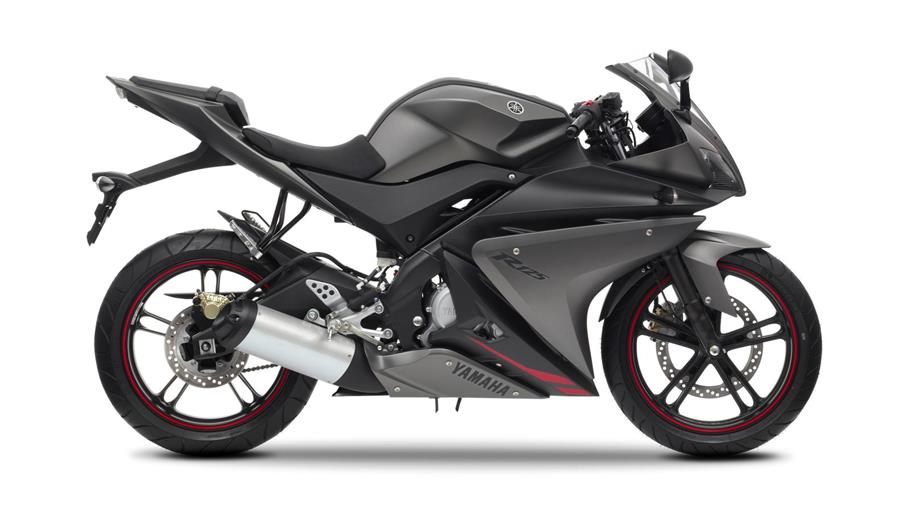
 2012 Yamaha 125CC : The All-Round Experience

At Yamaha we believe you get out what you put in. With over half a century of motorcycle innovation, that means some pretty special machines. The 125cc range embodies freedom, fun and fulfilment – each model is built with the passion that comes from decades of competing and winning at the highest level.
Forging new technology and bringing it to the road is what Yamaha is all about. Our 125s don't just look the business, they do the business – covering every need, from simple economy to custom luxury.
The YZF-R125 also has real racing pedigree, featuring the agressive styling of the R6 and R1 as well as a MotoGP inspired mid-ship exhaust.

Liquid-cooled 4-stroke single-cylinder 125cc engine

The YZF-R125’s advanced engine combines a 4-valve cylinder head and fuel-injection for the best possible performance. The short stroke layout gives the engine a free-revving character, which when connected to the 6-speed gearbox, delivers lively acceleration.

R-series style bodywork

With R-series style front cowling and twin fox-eye headlights, the YZF-R125 has the same aggressive supersport styling as the R1 and R6. Unlike many 125cc bikes, the R125 is built on a full-sized chassis providing a more comfortable riding position – especially for taller riders.

Large diameter disc brakes

Yamaha is committed to using high-specification components – like the large diameter 292mm front disc brake units on the YZF-R125. The compact twin-pot caliper design on the front-brake combined with the 230mm rear disc ensures smooth, controlled braking at a range of speeds and assured stopping power when you need it.

Sporty mid-ship muffler

The mid-ship exhaust muffler contributes to centralise the bike’s mass for balanced handling, and houses dual catalysers for cleaner emissions. In addition, an Air Induction System introduces air into the exhaust for more complete combustion of exhaust gases, lowering emissions even further.

Instrument panel

The combined digital and analogue panel speedometer provides a clear view of all the bike’s vital functions at a glance.

Aluminium swinging arm

The R125 features a lightweight Deltabox frame which delivers an optimum balance of strength and rigidity for class-leading handling performance. Complementing the frame is a lightweight cast aluminium swinging arm that allows the link-type rear suspension system to operate more efficiently and deliver more responsive handling qualities.

2012 Yamaha YZF-R1 First Ride

When Yamaha first introduced its fly-by-wire throttle system called YCC-T (Yamaha Chip Controlled Throttle) in 2006 on the YZF-R6 and then a year later on the R1, many wondered if the system was a precursor to traction control on Team Blue’s Superbike. As the years rolled on it looked like Yamaha was more than satisfied with the power delivery of the R1, and to be honest we were too once the crossplane crankshaft engine design was put into production. The connection between the rider’s right wrist and the rear tire on the crossplane crankshaft equipped sportbike has been almost telepathic. It almost seemed that traction control would be redundant with so much throttle control available. Now for 2012, Yamaha has equipped the R1 with traction control. Is it a gimmick to keep the R1 at the top of the sales for sportbikes in 2012, or will it make a better streetbike and racer?

To find out, we were invited out to a Southern California desert hotspot known as Indian Wells to spend two days riding the 2012 YZF-R1 on the street and track. One day would take us up a section of the twisted Palms to Pines Scenic Byway and back in near triple digit heat. For the second and more anticipated day, we would move to the always popular Chuckwalla Valley Raceway. Both days would give us plenty of time and varied situations to play with the latest electronic wizardry from Yamaha.


The 50th Anniversary R1 in classic Yamaha racing livery is  14 490. Only 2000 are available worldwide.
The top triple clamp on the 2012 Yamaha YZF-R1 has been restyled but is purely cosmetic.The Tech

The list of changes to the 2012 YZF-R1 can be counted on one hand, but just one of those five changes is enough to get our attention. The all new 7-position traction control system is derived from seasons of competition in MotoGP with the YZF-M1. Utilizing wheel speed sensors and a new ECU, the TC system first detects wheel spin by calculation the difference between the rotational speed of the front and rear wheel. Once slip is detected the ECU adjusts the YCC-T, fuel injection and ignition to optimize wheel spin and forward drive. Yamaha claims that the the system will detect a loss of traction before the rider can and find the best combination of throttle opening, fuel delivery and ignition to create a very smooth and seamless power management solution. By varying the throttle opening, the system avoids a jerky or harsh feel when the power needs to be managed. The math is complicated but the system is fairly straightforward.

The seven positions of the traction control system are six increasing levels of intervention and the option to turn it off completely are controlled via a switch on the left clip-on. On the fly changes only require a closed throttle, but to turn the system off the bike must be at a stop. A bar graph at the top right of the LCD dash indicates what level is selected and a yellow light flashes when the TC kicks in. Combining those seven choices with the three levels of the D-Mode power selection gives the rider 21 settings to fine tune the ride.

Other changes to the R1 include a progressive rear shock spring that is stiffer at the first part of the stroke to improve rear traction. The end of the stroke is softer to smooth out the bumps on the freeway and rough roads. All other suspension settings have remained the same. The only other change to the suspension system is a restyled top triple clamp that is purely cosmetic.

Subtle styling changes to the front and rear round out the changes for the 2012 R1. Yamaha calls the changes to the face of the R1 new and modernized, but I would say that they are very minimal. The cowling openings have been slightly reshaped and the position lights at the outside corners are now LED units mated with a reflector that runs down the lower portion. In the rear the mufflers get a new heat shield and reshaped end caps.

The 2012 Yamaha YZF-R1 is big fun on the street.The rear suspension on the 2012 Yamaha YZF-R1 has a new shock spring that is stiffer initially and softer and the end of the stroke.The traction control system on the 2012 Yamaha YZF-R1 is more useful on the track than the street..The Street

Swinging a leg over the Yamaha, I was instantly reminded that the R1 is on the big size for the recent crop of superbikes. The wide front fairing makes it feel bigger than it is, and a wide seat and tank area further portray the portly feel. But on the street this really isn’t a problem. There is plenty of room to move around and the rider triangle doesn’t require frequent yoga sessions and trips to the chiropractor.

Once on the road I spent the afternoon sampling various traction control levels and modes to to find what works the best on the street, but honestly with the high stakes for failure on the mountainous road I really wasn’t pushing hard enough to cause the TC to kick in. If I put the selector at the highest level of six and really snapped the throttle hard while exiting the turns I could get the yellow light to flicker to signal I was in fact using the TC, but the exercise was so far out of my riding style I felt like an outright squid. I decided to save the TC testing for the track.

The suspension is well suited for the rigors of canyon carving and mountain shredding but was also a winner when the road straightened out and the bumps were plenty. The softer spring rate at the end of the stroke definitely smoothed the ride out, but the stiffness in the initial travel had me feeling every repaired crack and seam in the turns. Backing down the compression a bit would most likely remedy part of the stiffness, but our time on the street was limited and didn’t allow for adjustments. Overall though the stiffness increased the rear end feel in the corners, but maybe a bit too much. It’s always a trade-off with a bike that is meant to perform at such a high level on the track and be usable on the street, and the taut feel in the corners is a fair trade for the smoothness on the bumpy roads.

The only real gripe that I have about the R1 on the street is the heat. Granted the ambient temperature was approaching 100-degrees, but the amount of heat coming from the under-tail exhaust can make the back of your legs toasty if not uncomfortable.

The R1 makes a great street mount with its comfortable riding position and user-friendly power delivery. If I were to have my pick of a sportbike for a day or more of street riding the Yamaha would be at the top of my list.

The Track

Chuckwalla Valley Raceway is a gem in the desolate wasteland known as Desert Center and is one of our favorite tracks. The fairly high-speed track requires commitment and confidence to master its 17-turn, 2.7-mile long ribbon of black dropped in the sandy desert. As a second-string track rider in the MotoUSA team, I would need all the help I could get to not look a fool.

Seven levels of traction control combined with three D-Mode levels give the rider 21 power and traction settings on the 2012 Yamaha YZF-R1The 2012 Yamaha YZF-R1 is stable and confidence inspiring but requires extra effort to move it around.The traction control system on the 2012 Yamaha YZF-R1 can detect wheelspin before the rider can.As the reigning American Superbike champion, the Yamaha R1 has an excellent pedigree, and the Tuning Fork Company attributes the uneven firing order, crossplane crankshaft engine design to the the success of it’s AMA, British and World Superbike effort and well as its MotoGP victories. The engine design puts forth a mid-range grunt that spans the gap between the low-end punch of a Twin and the top-end rev of a standard Inline Four. Twisting the throttle produces one of the sweetest exhaust notes to come from igniting air and fuel while laying down supremely controllable rear wheel traction. Now with traction control the delivery has gotten even better, dare I say foolproof.

With the the excellent throttle to rear tire relationship of the R1, getting up to speed and trusting the rear end grip was easy even without traction control. I spent the first session alternating between level one and six. My skill set wouldn’t cause the traction control to do its thing until level five in the first two sessions, but it was good to get the feel of the system in action. The system works so seamlessly that the only real indication that it is functioning is the yellow light on the dash blinking.

As my pace picked up in later stints, I began to trust the system and started to open the throttle earlier and quicker while exiting corners. The yellow light flashed more often, even as I dialed the system to level four. Eventually, I settled on level three as the optimum setting for me as it only went to work in the corners where I felt supremely confident in my abilities. It is really impressive how little you notice the TC rolling back the power until you stand the bike up and sling shot out of the corner like you were held back by a rubber band. Not once did I experience any jerky or unwanted cutting of power. Really impressive, and better than I had expected.

The chassis of the R1 makes for a rock-solid, stable ride on the track, but it can feel a bit heavy in some of the slower turns. Turn-in effort required a deliberate force, but the result was always sure footed. Mid-corner stability was a bit unsettled in the faster, bumpier corners, but slowing the rear rebound two clicks sorted the problem. Once the change was made, railing the cornering and nailing the exit became easy as pie. On the brakes, the R1 was docile and settled with just a hint of squirm that let you know the rear end was light. Hard braking later into a 20-minute session revealed a slightly wooden feel to the brakes, but the power was still strong as the first lap.

The traction control system on the 2012 Yamaha YZF-R1 uses wheel sensors to detect slip and then adjusts the power accordingly.  The Verdict

The Yamaha YZF-R1 was already one of the easiest 1000cc sportbikes to ride thanks to its solid chassis and easy to control powerplant. Before riding the 2012 model we questioned if the R1 really even needed traction control, and our opinion was not really. However, after turning more laps in one day that I have in five years on the track, without a doubt the addition of traction control has improved the R1’s power delivery. The system does exactly what Yamaha intended and promised, allowing me to get on the gas sooner, harder and with more control than ever before. And that has in turn elevated my track and street game from second-string to a position on the starting line-up. That right there is all the proof I need to show that TC on the 2012 Yamaha R1 is a good thing.

Key Features

The 2012 Yamaha YZF-R1’s traction control system can aid in reducing tire wear because of less wheel spin. Combined with three-level D-Mode electronics throttle response control, riders have 21 different choices offered for tailoring to their riding preference. The World GP 50th Anniversary Edition celebrates company’s racing heritage with Rapid Red/Pearl White Livery. Gold Yamaha badges are used on rear, fuel tank and front of the bike along with extra small sticker kit offered.
The 2012 Yamaha YZF-R1 features a new headlamp cowl designed and engineered for providing more aggressive, sharper and more modern look. The LED position lamps are used for unique and top notch look. The redesigned muffler end caps and heat shields provide a more mechanical look. It keeps all the technical superiorities designed for previous model; the Yamaha Chip Controlled Throttle (YCC-T) is MotoGP inspired fly by wire technology designed for providing instant throttle response, while the Yamaha Chip Controlled Intake (YCC-I) offers optimum fuel/air mixtures for smooth throttle response and maximum power.
2012 Yamaha YZF-R1
In keeping with 2012 Yamaha YZF-R1’s crisp handling and outstanding cornering ability, its aluminium frame has been engineered for providing excellent rigidity balance. The lightweight die-cast Controlled-Fill magnesium rear frame contributes optimum mass centralization. Suspension system includes SOQI front forks that use one of tricks designed for their winning MotoGP motorcycles; independent damping. The right fork handles rebound damping, while left side handles compression damping. The rear shock adopts bottom linkage for optimum suspension characteristics.

New for 2012

The 2012 Yamaha YZF-R1 gets seven-level traction control system, which allows the rider to get more traction and ride while exiting corners. The all new top triple clamps add to appearance of this bike, reminiscent of MotoGP powerhouse YZR-M1. The footrests have also been redesigned for sophisticated rider or motorcycle interface and great boot sole contact. The LED position lamps and new headlamp cowl styling enhance its distinctive styling.
2012 Yamaha YZF-R1

Powertrain

Powering the 2012 Yamaha YZF-R1 is a 998cc liquid cooled four-stroke DOHC 16-valve engine with maximum output of 179.6 horsepower at 12,500 rpm and 115.5 newton meters of torque at 10,000 rpm. The engine is teamed up with six-speed transmission with Transistor Controlled Ignition for superior performance and enhanced power delivery in all conditions. Crossplane crankshaft technology proven in success after success on MotoGP motorcycles offers a high-tech uneven firing interval. As compared to usual inline four-cylinder engine design, where the two inner and two outer pistons move together in pairs with 180-degree intervals, this crossplane crankshaft has each connecting rod 90-degree with exclusive firing order of 270° –180° – 90° – 180°. Rather than combustion torque continues to build, providing the rider more linear throttle response with awesome traction and power out of corners.
2012 Yamaha YZF-R1 engine
For maximizing rider comfort and power output, the 2012 Yamaha YZF-R1’s engine adopts coupling-type balancer, which rotates in opposite direction like the crankshaft. The exhaust system is scrupulously engineered for enhancing powertrain output with its three-way catalyst technology, reducing exhaust emissions. The silencer is single expansion type, and the sound coming through from exclusive crossplane crankshaft equipped powertrain is unlike any other inline-four cylinder engines found on supersport bikes. This fuel-injected engine takes full benefit of Yamaha Chip Controlled Throttle (YCC-T), a MotoGP-inspired fly by wire technology used for delivering instant throttle response. You will also find a Yamaha Chip Controlled Intake (YCC-I), a variable intake system, which broadens spread of power.

Chassis/Suspension

The 2012 Yamaha YZF-R1’s frame gets a combination of uncompromising rigidity where required along with carefully achieved flex for accurate rigidity balance this motorcycle needs to provide the rider the full advantage of its engine and handling characteristics.

Bottom Line

Yamaha uses bottom to work with rest of chassis refinements for providing brilliant, crisp handling characteristics, which the 2012 Yamaha YZF-R1 is known for.
2012 Yamaha YZF-R1


sumber: motorcycle-usa

2012 Kawasaki Ninja 150RR Facelift

2012 Kawasaki Ninja 150RRWell, here we go the all new 2012 Kawasaki Ninja 150RR or also called ZX-150KRR. This sport-bike reportedly will be present in early of 2012. For your information, I have written about this news here (2012 Kawasaki Ninja 150RR), and it's looks will be the real New Ninja 150RR species, but there is no engine changed, it's still used same engine (150cc, 2 stroke, Super KIPs, 6 speed transmission) but the real changed comes to the design and body fairing, Kawasaki seemly want to change the old Ninja 150RR style with the new one.


As from news from motorplus.otomotifnet.com, the all new 2012 Ninja 150RR 2 stroke will ready to the market in early of 2012, it's first special for Indonesian market and I don't know is this new Ninja 150 series will also release to the another Asia market such as Malaysia, Thailand, and others in the same time or not. The new Ninja RR will comes with new stylish fairing, sharper body style than older series, new strong character of display, and the disc brake will come like Ninja 250R style/type.

As you can see on the image of new 2012 Ninja 150RR above, this 2-stroke sportbike from Kawasaki looks like Ninja 250R design, it's wider than older Ninja 150RR and the headlamp is almost the same with Ninja 250. Kawasaki hope that the all new Ninja 150RR price will not more expensive than 2011 Ninja 150RR, the price may change but looks not so far as older price.

Actually, Kawasaki has released the Kawasaki 150RR facelift in a few fast months ago, you can read here (Ninja 150RR facelift), but it's not enough to boost Ninja RR appearance, it's only has rear design changed, and not many changed on other side. New 2012 Kawasaki Ninja 150RR is the real answer for it, so if you want to buy Ninja 150RR, you should better wait and keep patience because the all new edition of Ninja RR will available in the next year. See ya and keep safety ride guys.